
Ingredient deep dive
Rosemary oil for hair loss
Rosemary is the most searched natural ingredient in hair thinning, and unlike most of what gets pushed online, there is real research behind it. Here is what that research says, what it does not say, and the practical problem nobody mentions.
The study people cite
The reason rosemary keeps coming up is a 2015 trial published in Skinmed, which followed men with androgenetic alopecia for six months. One group used rosemary oil, the other used 2% minoxidil. At the six-month mark both groups showed a comparable increase in hair count, and the rosemary group reported less scalp itching.
That is genuinely interesting — but read it carefully. It was a single study with a modest number of participants, and it took a full six months to show anything. It is evidence that rosemary is worth using, not proof that it regrows hair for everyone.
What it does establish: rosemary is a serious ingredient with consistent daily use over months, not a quick fix.
How it is thought to work
Researchers point mainly to carnosic acid, a compound in rosemary studied for its antioxidant activity and its effect on blood flow at the skin's surface. The working theory is straightforward: a follicle sitting in a calmer, better-supplied scalp holds its growth phase longer than one that is inflamed and starved. Rosemary is also frequently discussed in the context of DHT, the hormone behind most male pattern thinning, though that side of the picture is far less settled than the circulation one.
Why raw rosemary oil fails most men
The study worked because the participants applied it consistently. That is exactly where a bottle of kitchen-shelf rosemary oil falls apart:
- It is heavy. Undiluted rosemary essential oil has to be mixed into a carrier oil, and that mix sits in your hair all day unless you wash it out.
- It has to be diluted correctly. Neat essential oil on the scalp can burn or irritate, and getting the ratio right every time is a chore.
- It is a wash-day routine, not a daily one. Most men end up doing it once or twice a week, which is not the consistency the research relied on.
- It is one ingredient. Rosemary was studied on its own, but hair thinning driven by DHT usually needs more than a single input.
A routine you abandon in week three cannot produce a six-month result. The delivery format matters as much as the ingredient.
A daily format you will keep
Rosemary, in a spray that takes 60 seconds
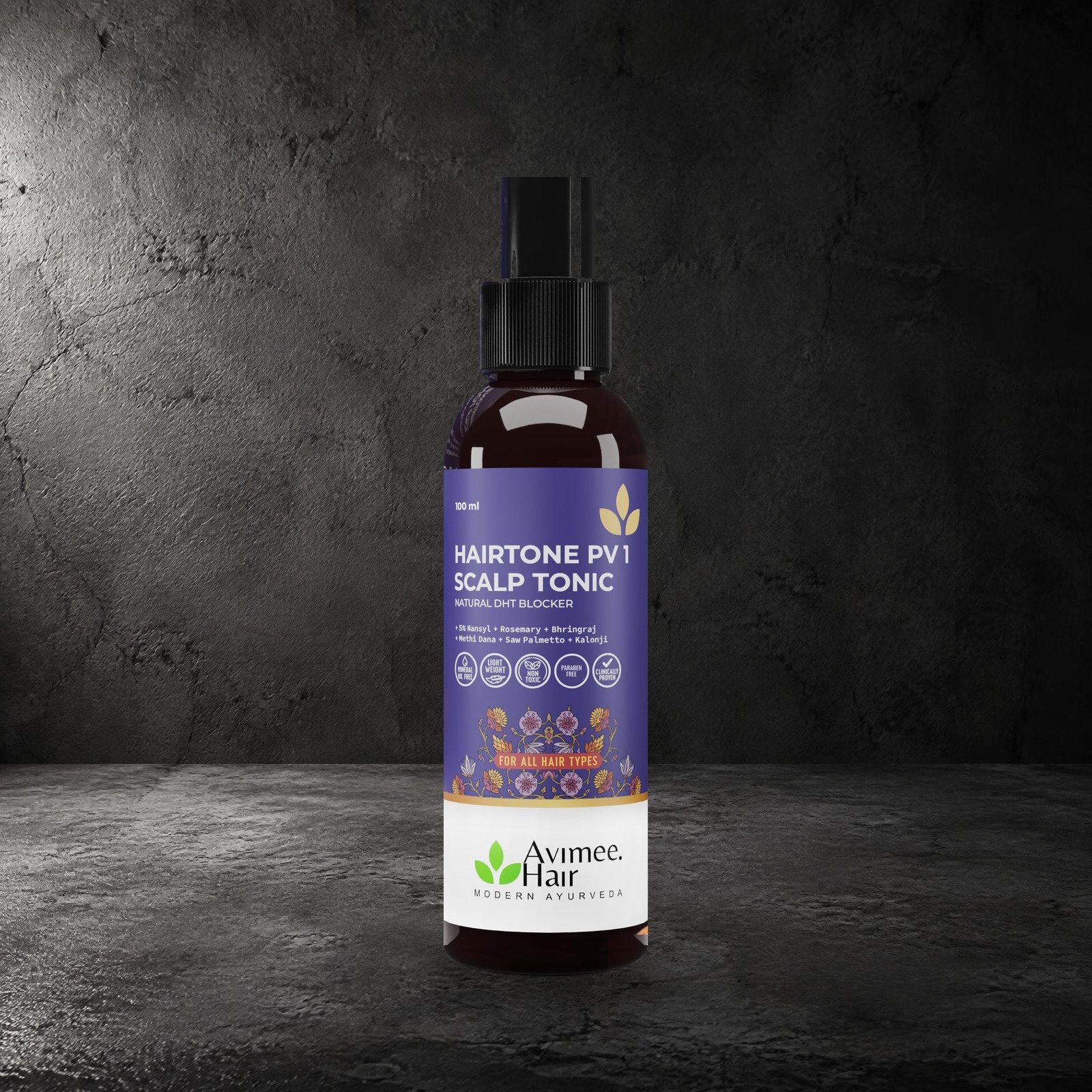
Hairline Shield is a lightweight leave-in scalp tonic — five to eight sprays, thirty seconds of massage, no rinsing and no greasy hair. Rosemary sits alongside the rest of the formula:
- Rosemary — The ingredient people search for, in a leave-in form you will actually use daily.
- 5% Nansyl — The headline active in the tonic, at a measured concentration.
- Saw palmetto — Long associated with DHT at the scalp.
- Bhringraj, methi dana, kalonji — Traditional scalp botanicals rounding out the formula.
It is a daily grooming routine, not a medical treatment. Give it three to four months of consistent use before judging it, and know that it will not bring back hair that is already gone.
Was $65 · Buy 2 get 1 free · Free US tracked shipping
Not sure where you stand?
Four questions, sixty seconds, and a straight read on your hairline and the routine that fits it.
Take the hairline check